
24 oct. 2025
Vlad
Author

Hiring is universally recognized as a difficult, high-stakes function. Anyone who has been part of the process, on either side of the table, knows the frustration. Candidates are left waiting in silence. Recruiters are overwhelmed with unrealistic expectations. Managers are caught between urgency and quality.
For years, we’ve given this “problem” new labels to make it sound manageable. “The Great Resignation,” “Quiet Quitting,” “Talent Shortage.” But none of those terms actually solve the real issue, the system itself no longer works the way we need it to.
Beneath all the technology, the metrics, and the “buzzwords,” hiring has become a tangle of misaligned goals and broken feedback loops. The result is a process that drains time, burns goodwill, and too often produces the wrong outcomes. If we want to change that, we need to stop blaming the market and start examining our own playbooks.
As we head into 2026, companies that succeed will be the ones who think of hiring not as a series of transactions but as a system. A system where technology amplifies human judgment, where data informs decisions but does not replace empathy, and where every role filled contributes to a stronger, more resilient organization.
Here are seven of the least talked about, yet most impactful, hiring challenges that companies face and how some forward-thinking teams are addressing them.
Need for Speed Vs Need for Quality

Every recruiter has faced the time to fill fast vs quality nightmare. Leadership wants the perfect candidate yesterday. You get a frantic call from a hiring manager: “We are losing our top performer! You need to replace them, and fast. But also make sure they are a perfect culture fit, have ten years of experience in a brand-new technology, and cost less than the last person.”
Move too fast and the team scrambles to fill the seat, cutting corners on interviews, relying on surface-level resume checks, and hiring someone who looks good on paper but fails in practice. Move too slow, and the best candidates accept other offers. It is a trap.
HubSpot approached this by redefining their metrics. Instead of focusing on “time-to-fill,” they measure “time-to-productivity.” The goal is not to have someone sitting in a chair quickly but to have someone adding value fast. The lesson is simple: align hiring timelines with onboarding and performance metrics. Recruiters need to be empowered to balance urgency with fit, and managers must be educated on realistic expectations.
2. Employer Brand vs. Reality
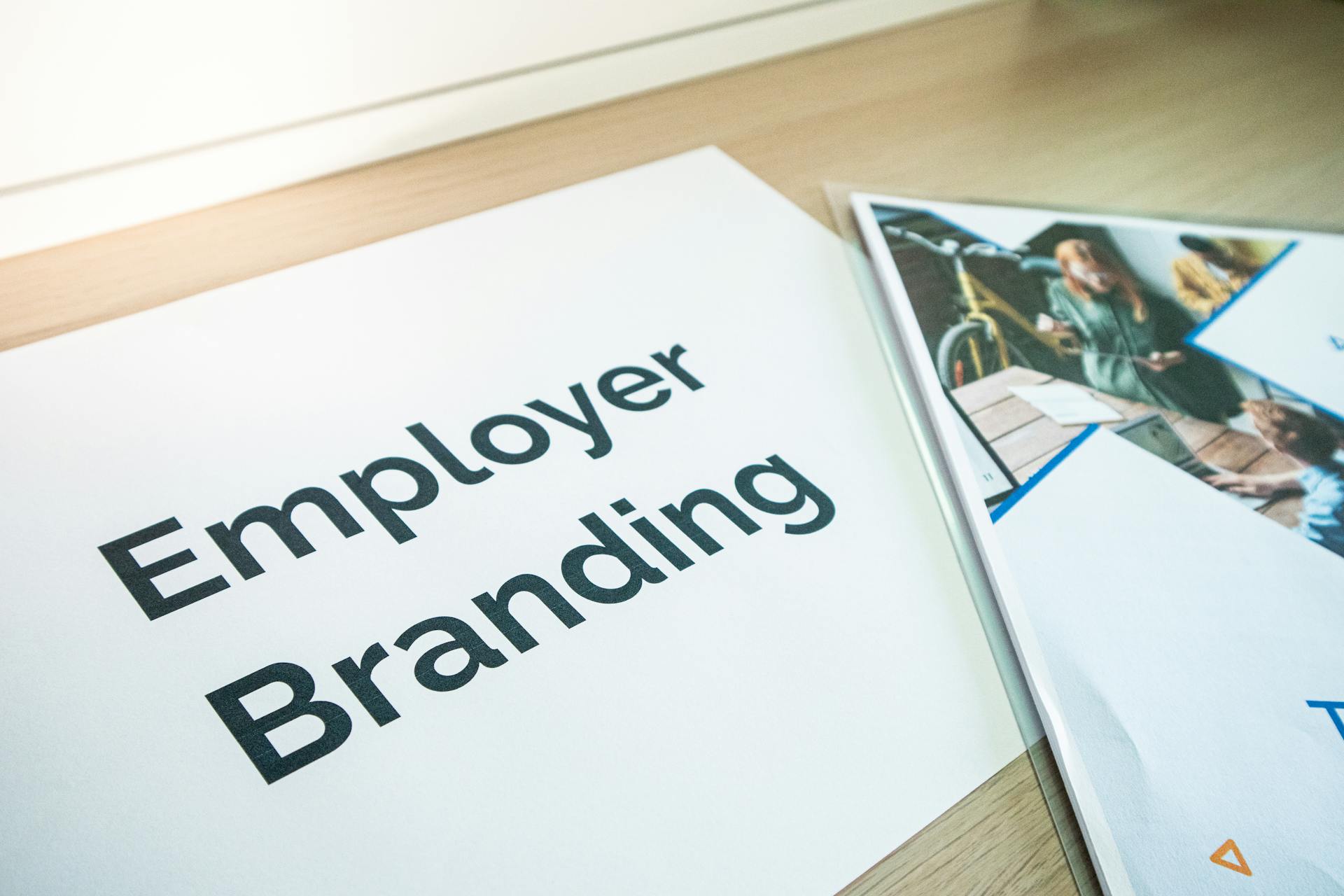
Companies spend a lot on employer branding, but often it is disconnected from the actual experience of employees. Marketing teams craft glossy videos of bright offices, happy teams, and slogans like “We are a family!” but the reality may be long hours, overworked managers, and a culture that punishes early departures.
Deloitte discovered this when a campaign promoting work-life balance clashed with employee reviews reporting burnout. The fix was not better marketing but internal realignment. The real power of employer branding comes from authenticity. Employees’ voices, real stories of work challenges and wins, are far more effective than perfect social media clips. Candidates are reading reviews, connecting with former employees, and forming their own impressions. If the image does not match reality, trust is lost.
3. Broken Communication Between Recruiters and Hiring Managers

Recruiters often feel like service providers rather than partners. Managers hand them vague job descriptions and leave the recruiter to interpret what is really needed. Outdated descriptions, unclear definitions of “senior” or “expert,” and inconsistent expectations create wasted time and frustration.
Spotify tried an approach called “Hiring Pods.” Each pod includes the recruiter, hiring manager, and another senior team member. Together, they co-create the job description, define success metrics, and decide how each interviewer evaluates candidates. This strategic collaboration ensures alignment, speeds up the process, and improves hire quality.
4. Overreliance on Technology

AI tools and automation can be lifesavers for recruiters. They schedule interviews, filter resumes, and organize candidate pipelines. But problems arise when humans rely on robots to make judgments. Automated filters can reject talented candidates because they do not match keyword patterns or traditional career paths.
A large retailer discovered that its AI tool was automatically discarding candidates with volunteer experience. Later, the company realized some of its best hires had come from that exact pool. Technology should amplify human insight, not replace it. Recruiters need to combine efficiency with judgment, spotting potential where algorithms cannot.
5. Remote Hiring and Poor Candidate Experience

Remote work has broadened talent pools but also made onboarding cold and impersonal. Many remote hires experience a completely digital journey from application to onboarding, never meeting a colleague in person. This disconnection drives higher attrition.
A European tech firm found that remote hires were 30 percent more likely to leave within their first year. The solution was simple: assign mentors to new hires from day one. These mentors provide guidance, answer questions, and create personal connections. Engagement starts long before a new hire is fully productive. A strong candidate experience cannot be automated. It requires intentional human interaction.
6. Diversity Without Inclusion

Many organizations focus on diversity metrics but fail at inclusion. Hiring quotas are met, but employees leave because they feel isolated or unsupported. A fintech startup hit its diversity targets but discovered that new hires from underrepresented backgrounds were leaving at alarming rates. Mentorship, sponsorship, fair evaluation, and visible growth paths were missing.
Diversity is not just who is hired; it is about creating systems where everyone can thrive. Inclusion ensures employees stay, grow, and contribute. Organizations that invest in inclusion alongside diversity create more sustainable, high-performing teams.
7. Retention Starts Before Day One

Hiring does not end with an accepted offer. Retention begins during the recruitment process. Recruiters must have honest career conversations, showing candidates not just the role they are applying for but the potential trajectory within the company.
Netflix and Atlassian integrate career path discussions into recruitment. Candidates understand opportunities for growth from the start, which builds loyalty and engagement. Measuring recruiters on retention and long-term performance rather than just speed of hire changes the stakes. Recruiting becomes a strategic lever for building a future-ready workforce, not just filling seats.
Building Smarter Systems
The companies that succeed in 2026 will combine people, process, and technology. Data informs decisions, but humans interpret context. AI can surface patterns, but empathy and judgment decide the final hire. Teams need feedback loops between recruiting, onboarding, and retention.
The best recruiters act as architects, designing systems that connect talent, culture, and business needs. They do not treat hiring as a transactional process but as the foundation of organizational strength.
The secret is human-centered design. You cannot automate trust, buy culture, or put empathy on a spreadsheet. But you can nurture it, one intentional hire at a time. Companies that embrace this approach stop blaming talent shortages and start fixing the systems they control.
Hiring may always be hard, but it does not have to be broken.